
C. Harrison Mann, Jr.: A Visionary Leader Who Helped Shape Modern Arlington
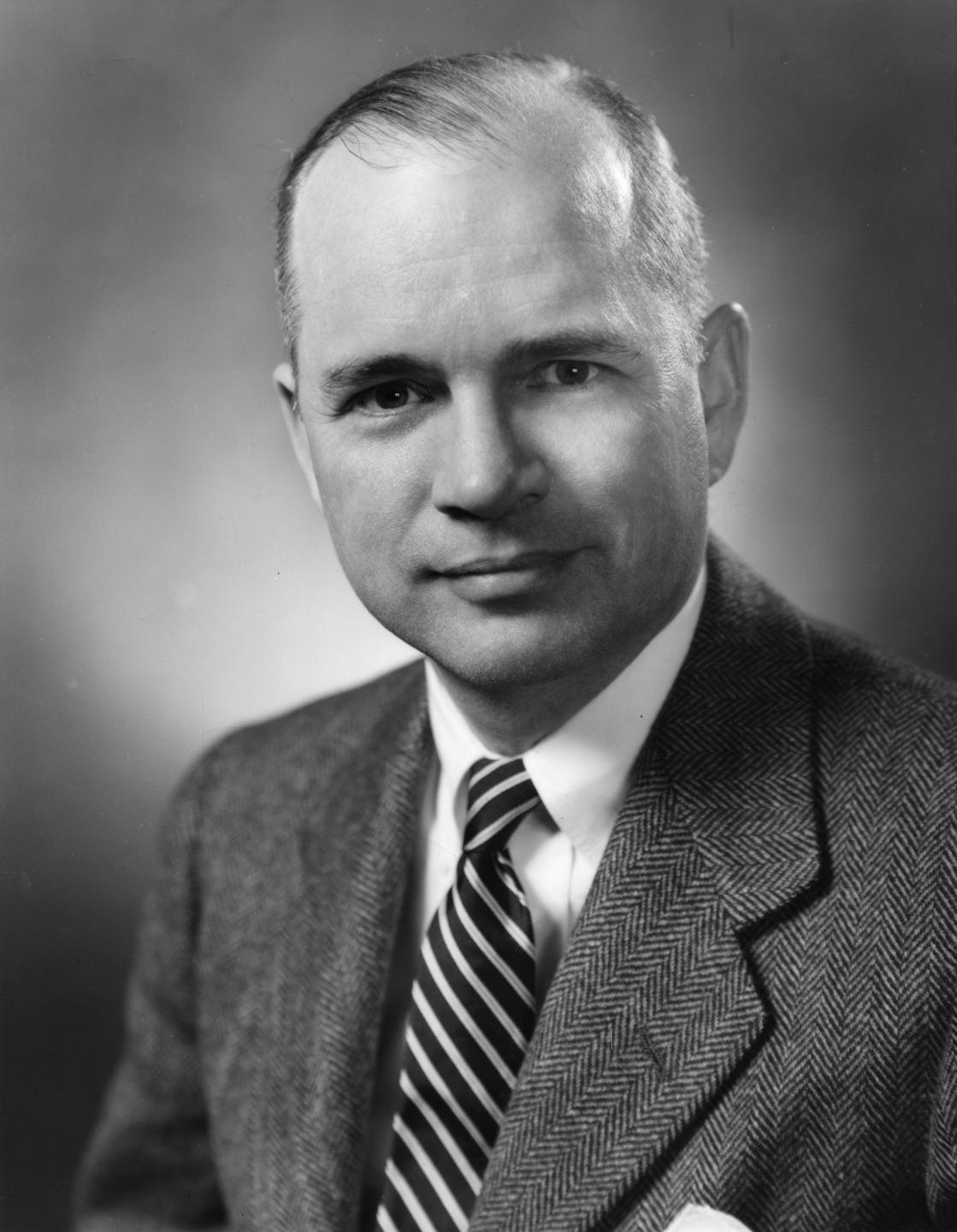 Few individuals have had a greater influence on twentieth-century Arlington County than C. Harrison Mann, Jr. (1908–1977). A lawyer, Marine Corps veteran, Virginia legislator, educator, and preservationist, Mann devoted more than three decades to improving the civic, educational, and cultural life of Northern Virginia. His leadership helped establish George Mason University, secure fairer political representation for Northern Virginia, and launch the Arlington Historical Society.
Born in Mobile, Alabama, on January 15, 1908, Mann attended Episcopal High School in Alexandria before earning both his bachelor’s degree and law degree from the University of Virginia in 1931. He established a law practice in Arlington specializing in banking law and quickly became active in local civic affairs.
During World War II, Mann organized Arlington’s 113th Virginia Protective Force, which guarded key infrastructure while the Virginia State Guard served overseas. In 1944, he joined the United States Marine Corps and served in combat in the Pacific Theater, earning commendation for his service during the campaign on Mindanao in the Philippines.
In 1953, Arlington voters elected Mann to the Virginia House of Delegates, where he served from 1954 until 1970. During his sixteen years in the General Assembly, he earned a reputation as one of Virginia’s most productive legislators. He championed public education, transportation improvements, highway safety, judicial reform, and expanded services for older Virginians. His practical approach and willingness to work across political lines made him one of Arlington’s most respected public officials.
Mann’s most enduring achievement may have been his leadership in creating a public university for Northern Virginia. Recognizing the region’s rapid population growth after World War II, he became one of the leading advocates for a four-year public institution of higher education. His efforts culminated in the establishment of George Mason College in 1957 as a branch of the University of Virginia. He later chaired the college’s Board of Control and served on George Mason University’s Board of Visitors. Today, he is widely recognized as one of the principal founders of George Mason University.
Mann also left a lasting mark on Virginia’s political landscape. He served as the lead plaintiff in Davis v. Mann (1964), a landmark United States Supreme Court case that required Virginia to redraw its legislative districts according to population. The decision dramatically increased the political influence of rapidly growing Northern Virginia and became part of the nationwide “one person, one vote” movement.
For Arlington historians, Mann’s legacy extends beyond government and education. In 1956, concerned that the county’s historic buildings, landscapes, and records were disappearing amid rapid suburban development, he joined other civic leaders in establishing the Arlington Historical Society. As the Society’s founding president, Mann helped define its mission of preserving Arlington’s history through research, education, publications, and advocacy. His leadership laid the foundation for an organization that continues to document and interpret Arlington’s past nearly seventy years later.
When C. Harrison Mann, Jr. died on November 28, 1977, he left behind a remarkable record of public service. His influence can still be seen across Arlington—in its educational institutions, its stronger voice in state government, and its commitment to preserving local history. His vision demonstrated that a growing community could embrace the future while honoring its past, a principle that continues to guide Arlington today.

