
 https://arlhist.org/wp-content/uploads/2026/08/clarendon-1500-2.jpg
906
1400
Peter Vaselopulos
/wp-content/uploads/2024/07/arlhist-logo-cm-02.png
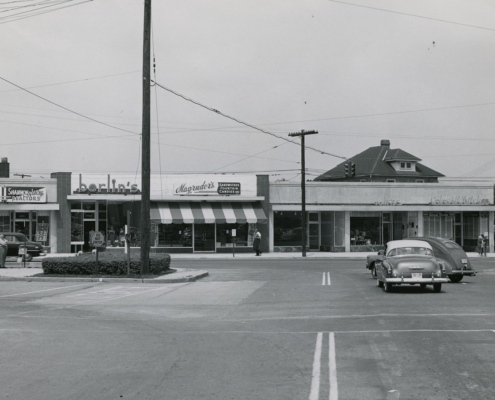
Peter Vaselopulos2026-08-19 09:34:372026-08-19 09:36:40Life in 1956
 https://arlhist.org/wp-content/uploads/2026/08/Rose-1500-x-430-1.jpg
430
677
Peter Vaselopulos
/wp-content/uploads/2024/07/arlhist-logo-cm-02.png
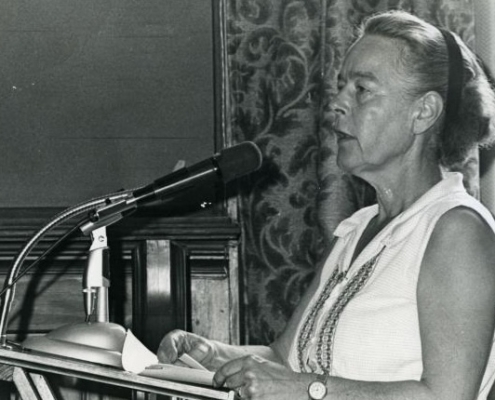
Peter Vaselopulos2026-08-19 03:07:562026-08-19 03:10:58C.B.Rose
 https://arlhist.org/wp-content/uploads/2026/08/482032243_1227527685628217_5883094668652783967_n.jpg
1326
1080
Peter Vaselopulos
/wp-content/uploads/2024/07/arlhist-logo-cm-02.png
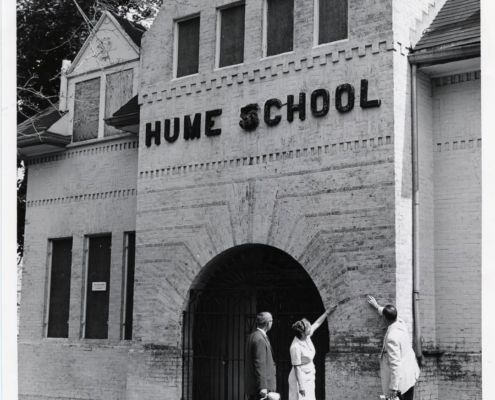
Peter Vaselopulos2026-08-19 02:57:152026-08-19 02:57:15Hume School History
 https://arlhist.org/wp-content/uploads/2026/08/Frank-L.-Ball.jpg
1440
1165
Peter Vaselopulos
/wp-content/uploads/2024/07/arlhist-logo-cm-02.png
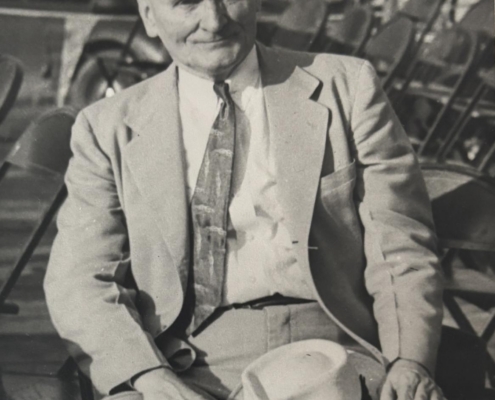
Peter Vaselopulos2026-08-19 02:49:072026-08-19 02:49:07Frank L. Ball, Sr.
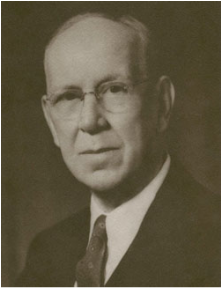 https://arlhist.org/wp-content/uploads/2026/08/1932ashtonjones_1-1.png
288
222
Peter Vaselopulos
/wp-content/uploads/2024/07/arlhist-logo-cm-02.png
Peter Vaselopulos2026-08-19 02:45:382026-08-19 02:45:38Jones
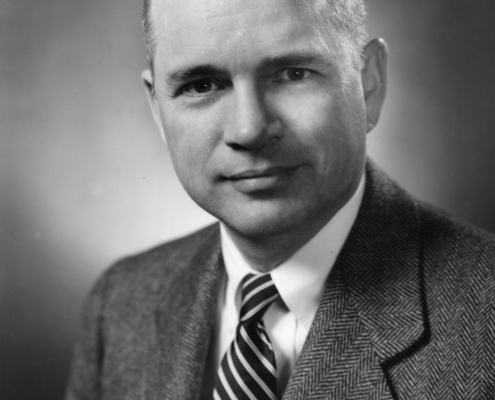 https://arlhist.org/wp-content/uploads/2026/08/C.-Harrison-Mann-Jr.jpg
1440
1119
Peter Vaselopulos
/wp-content/uploads/2024/07/arlhist-logo-cm-02.png
Peter Vaselopulos2026-08-19 02:34:092026-08-19 02:34:54C. Harrison Mann, Jr.
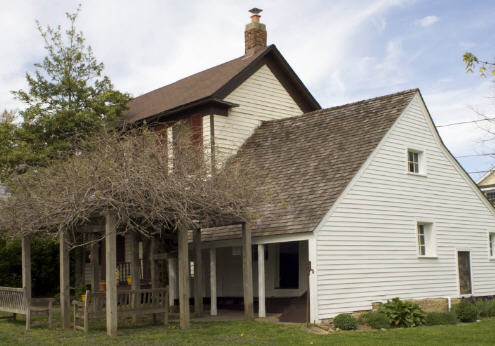 https://arlhist.org/wp-content/uploads/2026/03/20120405-Cropped.jpg
346
560
Peter Vaselopulos
/wp-content/uploads/2024/07/arlhist-logo-cm-02.png
Peter Vaselopulos2026-08-19 02:29:202026-08-19 02:29:20Ball-Sellers History
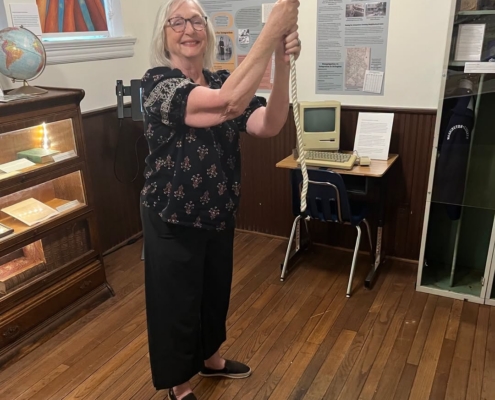 https://arlhist.org/wp-content/uploads/2026/08/762606186_2074529466769490_6873669810361321490_n.jpg
1350
1080
Peter Vaselopulos
/wp-content/uploads/2024/07/arlhist-logo-cm-02.png
Peter Vaselopulos2026-08-03 12:24:292026-08-05 09:37:56Sandy Newton
 https://arlhist.org/wp-content/uploads/2026/07/IMG_6677-scaled.jpeg
1920
2560
Peter Vaselopulos
/wp-content/uploads/2024/07/arlhist-logo-cm-02.png
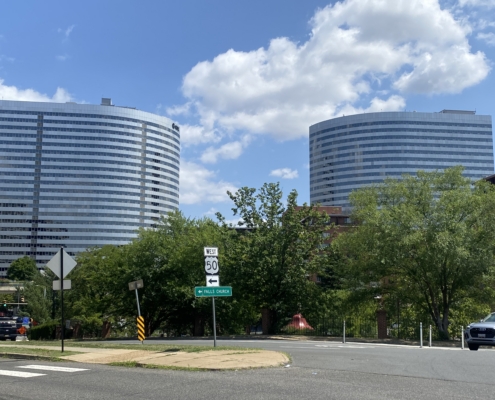
Peter Vaselopulos2026-07-31 17:19:032026-07-31 17:20:10USA Today
 https://arlhist.org/wp-content/uploads/2026/07/IMG_6568-scaled.jpeg
1920
2560
Peter Vaselopulos
/wp-content/uploads/2024/07/arlhist-logo-cm-02.png
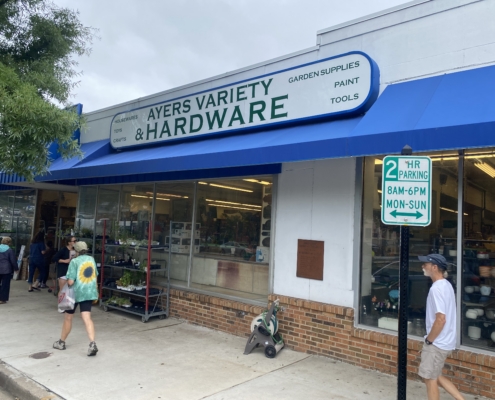
Peter Vaselopulos2026-07-08 13:43:032026-07-14 10:45:07Ayers Hardware Store Closing